
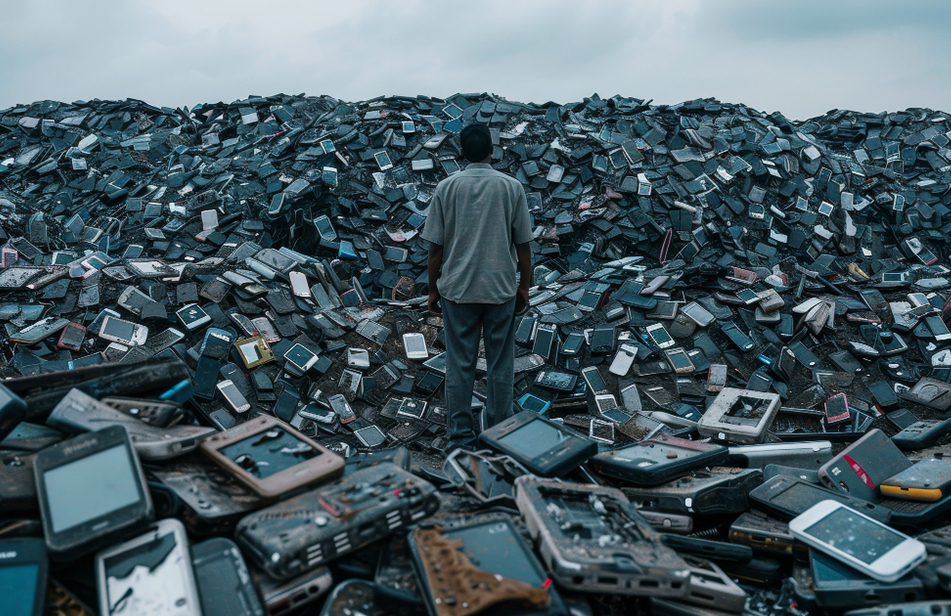
Every time you upgrade your phone, laptop, or TV, have you ever wondered what happens to the old one? The older one just starts gathering dust in a drawer, sitting unused. Such discarded gadgets are called e-waste — short for electronic waste. Though it might look harmless sitting in your drawer, the hidden dangers of e-waste are far more serious than most people realize.
Old electronics leak toxic chemicals into our soil and water, harm wildlife, and even endanger the health of recycling workers across the world. Understanding why proper e-waste disposal matters isn't just good for the planet — it's vital for your health and community, too.
Key Takeaways
- E-waste contains toxic substances like lead, mercury, and cadmium.
- Improper disposal pollutes soil, water, and air.
- Proper e-waste recycling recovers valuable materials like gold and copper.
- Everyone can reduce their e-waste footprint with responsible habits.
- Certified recyclers like Universal Power Solutions ensure safe, CPCB-compliant disposal.
What Is E-Waste?
E-waste includes anything with a plug or battery that you no longer use — old phones, TVs, printers, chargers, or even kitchen appliances. According to the UN Environment Programme, the world generates over 60 million tons of e-waste each year. And only a fraction of it gets properly recycled.
The rest ends up in landfills or gets shipped to developing countries, where it's often burned or dismantled unsafely. And that's where the real danger begins.
The Hidden Dangers of E-Waste to Health and Environment
E-waste contains a cocktail of hazardous materials — lead, mercury, cadmium, arsenic, and brominated flame retardants. When these devices are burned or dumped, these toxins seep into soil, air, and groundwater.
Nearby communities often drink or grow food in contaminated areas, leading to serious health problems including neurological disorders, kidney and liver damage, and developmental issues in children.
Workers who manually break down electronics — especially in areas like Agbogbloshie (Ghana) and Guiyu (China) — are directly exposed to these toxins every day. Their long-term health implications are severe due to lack of proper equipment and treatment.
According to Green GOV, open burning of e-waste releases harmful fumes that can cause respiratory diseases and long-term cancer risks. These toxins can even travel through air and water and affect people globally — it's not just a local issue.
Why Proper E-Waste Disposal Matters
There are multiple e-waste recycling agencies with the investment, support, and equipment to handle e-waste without creating toxic waste. When e-waste is properly recycled, something remarkable happens:
- Precious metals like gold, copper, and silver are safely recovered and reused in new products.
- Less mining is required, reducing pollution and resource depletion.
- Dangerous materials are prevented from entering rivers or soil.
- Recycling one million laptops saves enough energy to power 3,500 homes for a year (EPA).
Safe and Responsible Ways to Dispose of E-Waste
Disposing of your old electronics doesn't have to be complicated. Here are some easy, responsible ways:
1. Use Certified E-Waste Recycling Centers
Look for certified recyclers with programs like R2 or e-Stewards certification. They follow strict safety standards for dismantling electronics. Universal Power Solutions is a CPCB-authorized recycler committed to safe, compliant e-waste management across India.
2. Manufacturer Take-Back Programs
Many companies like Apple, Dell, and HP offer free take-back or trade-in programs. They refurbish old devices or recycle components properly.
3. Community Collection Drives
Localities often host e-waste drop-off days or collection events. Support these initiatives whenever possible — they help keep toxic materials out of regular waste streams.
Reducing Your E-Waste Footprint
Reducing e-waste isn't just about recycling — it's also about rethinking consumption. It's a series of thoughtful actions you can adapt to do your part for the environment:
- Buy quality, not quantity. Choose durable devices built to last.
- Repair and reuse. Fix gadgets instead of replacing them immediately.
- Donate or sell. If it still works, give it a second life.
By extending a device's lifespan, you're cutting down on new production and saving valuable materials from going to waste. Even simple choices — like using a phone for an extra year — can make a huge environmental difference.
The Future of E-Waste Management
The good news is the world is finally waking up to this crisis. Governments and tech companies are investing in circular economy models, where products are designed to be reused or recycled from the start. Countries like Japan and Germany are leading the way with strict e-waste laws and advanced recycling plants.
With awareness spreading, we're moving toward a cleaner, more sustainable tech future — but it requires everyone to take part.
Conclusion
The hidden dangers of e-waste aren't hidden anymore — they're right in front of us. Increased health hazards and high toxic presence in land are evident proof that e-waste management is far behind in achieving its goals in India. But the solution is simple: each of us should recycle responsibly, reuse what you can, and never throw electronics in the trash.
If we all take small, mindful steps, we can turn the world's e-waste problem into an opportunity for a cleaner planet.
Ready to Recycle Responsibly?
Contact Universal Power Solutions — India's CPCB-authorized e-waste recycler. We handle collection, dismantling, and certified disposal across India.
Get in Touch Today